
DeFi Development Services for Decentralized Finance Platforms & Protocols
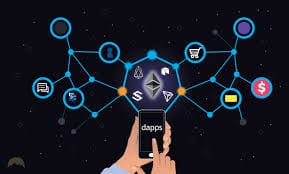
DeFi development services are redefining the global financial landscape by enabling decentralized finance platforms that operate without intermediaries such as banks or financial institutions. Built on blockchain technology and smart contracts, DeFi ecosystems provide open, permissionless, and transparent financial services accessible to anyone with an internet connection and a digital wallet.
At the foundation of DeFi development are smart contracts that automate financial processes such as lending, borrowing, trading, staking, and yield generation. These contracts execute predefined rules without manual intervention, ensuring accuracy, transparency, and efficiency in financial transactions. This eliminates the need for centralized control and reduces operational costs significantly.
Decentralized exchanges are one of the most widely used components of DeFi ecosystems. These platforms allow users to trade cryptocurrencies directly without relying on centralized intermediaries. Automated market makers replace traditional order books, enabling continuous liquidity through smart contract-based liquidity pools.
Lending and borrowing protocols are another core element of DeFi development. Users can deposit digital assets into liquidity pools and earn interest, while borrowers can access funds by providing collateral. This creates an open financial system where access is not restricted by credit scores or banking history.
Yield farming and staking mechanisms are also integral to DeFi platforms. Users can earn rewards by locking their assets into smart contracts that support network operations. These incentives encourage participation and strengthen liquidity across the ecosystem.
Security is a major concern in DeFi development due to the high value of assets involved. Developers implement rigorous smart contract audits, bug bounty programs, and formal verification techniques to reduce vulnerabilities. Despite these measures, continuous monitoring and upgrades are essential due to the evolving nature of blockchain threats.
Scalability is another challenge in DeFi ecosystems, as high network demand can lead to increased transaction fees and slower processing times. Layer-2 solutions and alternative blockchain networks are being adopted to improve performance and reduce congestion.
Governance is a unique feature of DeFi platforms. Many systems use decentralized autonomous organizations that allow token holders to vote on protocol upgrades, fee structures, and platform policies. This ensures community-driven development and eliminates centralized decision-making.
DeFi platforms are rapidly gaining adoption across global markets due to their accessibility, transparency, and efficiency. They are reshaping traditional financial systems by offering borderless and inclusive financial services.
Despite its growth, DeFi faces challenges such as regulatory uncertainty, security risks, and user adoption barriers. However, ongoing technological advancements are addressing these issues and improving ecosystem stability.
The future of DeFi development services lies in interoperability, scalability, and real-world financial integration. As blockchain technology matures, DeFi will become a core component of global financial infrastructure.
With the support of blockchain innovators and advanced platforms such as intelisync, businesses can build powerful DeFi ecosystems that deliver secure, scalable, and next-generation financial solutions.
Comments ()