
Why Enterprises Are Adopting Blockchain for Secure Digital Infrastructure
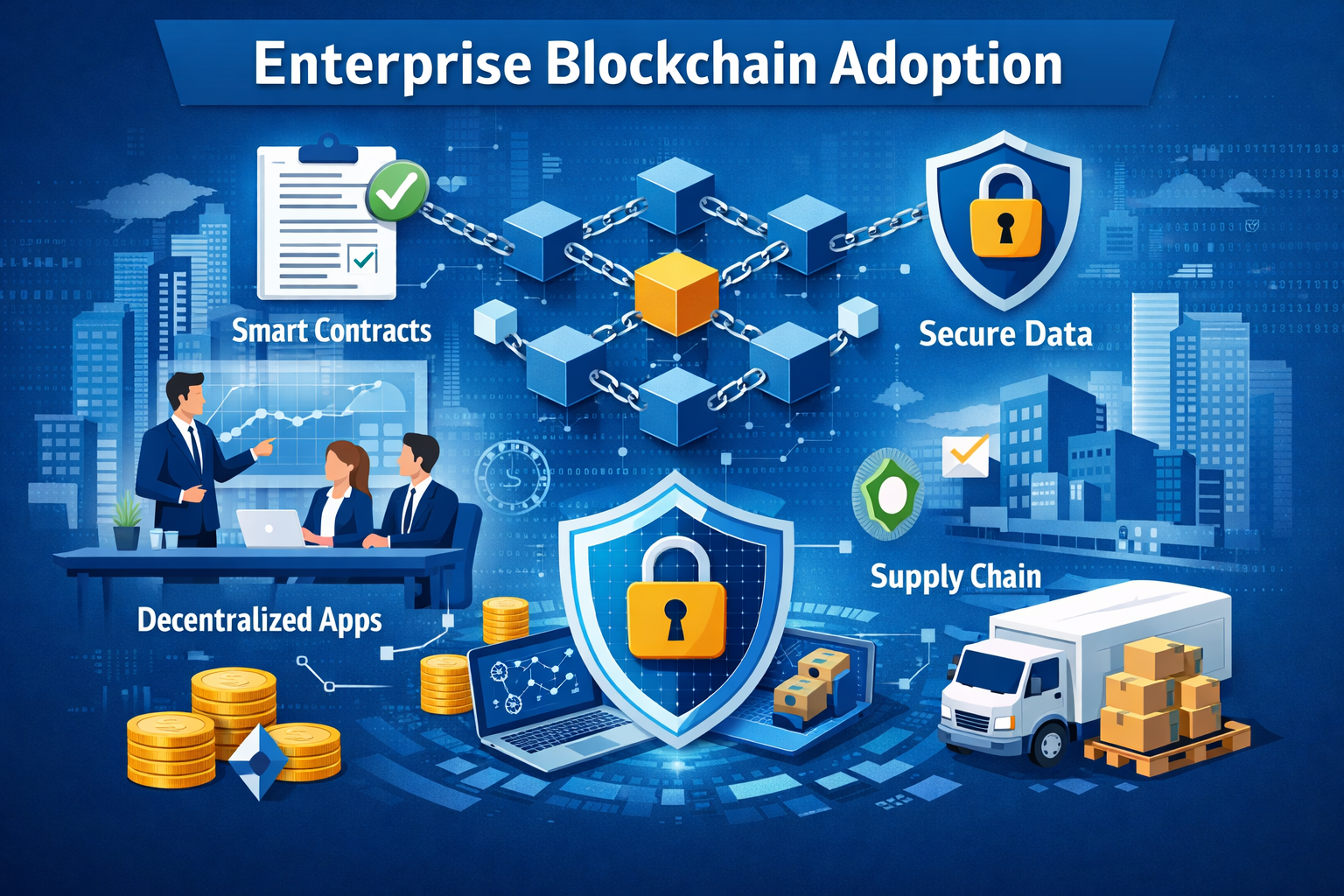
In today’s rapidly evolving digital environment, organizations are constantly searching for technologies that improve security, transparency, and efficiency. One technology that has gained significant attention across industries is blockchain. Although blockchain initially became popular through cryptocurrencies, its real value lies in the secure and transparent infrastructure it provides for modern digital systems.
Blockchain works as a distributed ledger that records transactions across multiple nodes in a network. Unlike traditional centralized databases where a single entity controls the data, blockchain distributes information across a decentralized network. This ensures that the data stored on the blockchain cannot easily be altered or manipulated.
Enterprises are increasingly exploring blockchain to solve challenges related to data security and trust. In industries like supply chain, finance, healthcare, and logistics, multiple stakeholders need to share information. Traditional systems often struggle with data inconsistencies and lack of transparency. Blockchain addresses this issue by providing a single source of truth accessible to all authorized participants.
Another important aspect of blockchain technology is smart contracts. These are programmable agreements that automatically execute when predefined conditions are met. Smart contracts eliminate the need for intermediaries and significantly reduce administrative costs. For example, in supply chain management, smart contracts can automatically trigger payments once goods are delivered and verified.
Blockchain is also enabling the development of decentralized applications, often called dApps. These applications run on blockchain networks rather than centralized servers. This architecture provides enhanced security and reduces the risks associated with centralized data storage.
However, implementing blockchain solutions requires careful planning and specialized expertise. Businesses must consider factors such as scalability, network architecture, and smart contract security. Without proper development practices, blockchain systems can face performance challenges or security vulnerabilities.
To overcome these challenges, many organizations collaborate with experienced blockchain development teams. Companies like Intelisync provide blockchain consulting and development services that help businesses design decentralized applications, implement smart contracts, and integrate blockchain with existing digital platforms.
As enterprises continue to adopt digital transformation strategies, blockchain technology will play a crucial role in building secure and transparent systems. Businesses that begin exploring blockchain today will be better prepared for the decentralized digital infrastructure of the future.

Comments ()